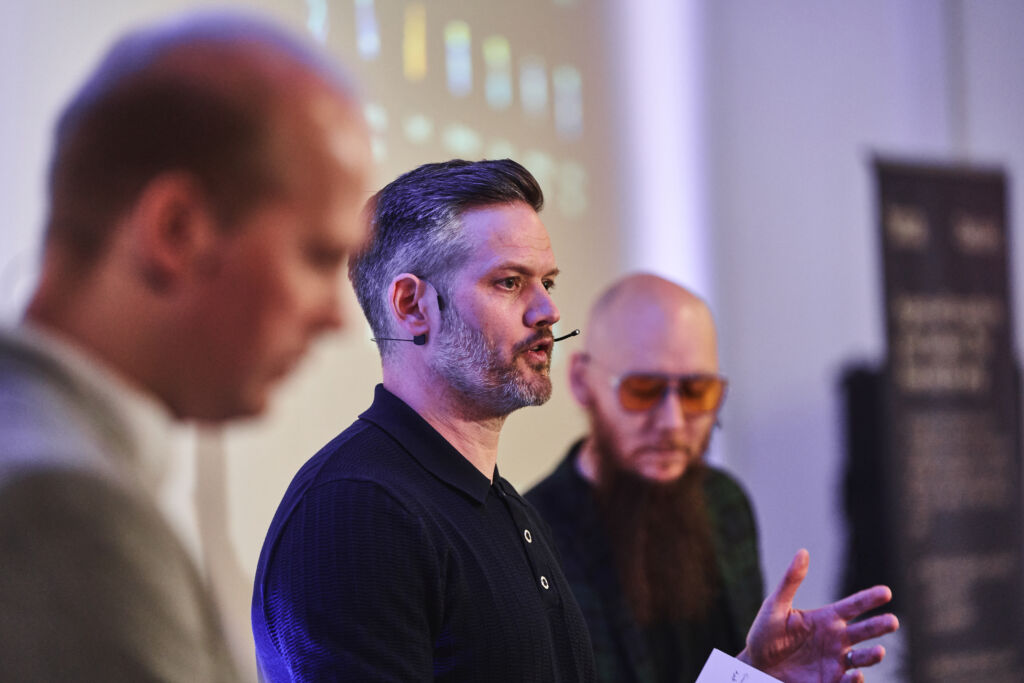
A Technical Deep Dive with
Rajan Chavda, Senior Solutions Architect
For our first Spotlight interview, Nicola, our Head of Marketing, sat down with Rajan Chavda to discuss how Microsoft Fabric is paving the way for analytics and AI adoption, the shift from infrastructure management to plug-and-play analytics, and why the single source of truth remains the enterprise’s main goal.
Joining the Dots – The Architect’s Role
Nicola: Rajan, you’ve been with Oakland for six months, focusing on the Microsoft stack. How do you define the value of a Solutions Architect?
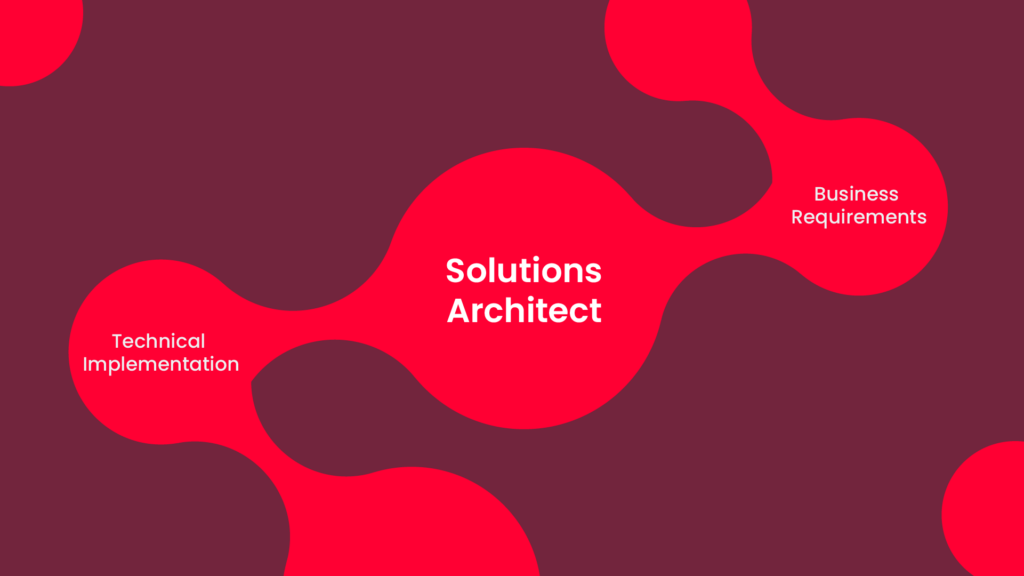
Rajan: There are many interpretations of the role, but for me, it’s about joining the dots. We have experts dedicated to data strategy and governance, and engineers who handle the doing. The architect bridges the gap between business requirements and technical implementation.
“The solutions architect is all about joining the dots for our customers, specifically bridging the gap between a business question and technical implementation.”
Whether a client is struggling with disparate manual Excel documents or complex legacy systems, my job is to conduct a technology assessment, comparing vendors like Databricks, Snowflake, and Fabric, to ensure the chosen tools and approach meet their specific needs.
Deconstructing Microsoft Fabric
Nicola: Microsoft Fabric is being positioned as a significant evolution. What makes it a fundamental shift from traditional cloud platforms?
Rajan: Fabric is fundamentally a unified analytics platform. With other approaches such as Azure, you had to provision individual networks and components manually. Fabric moves toward a Software as a Service (SaaS) model. You buy capacity (think of it like a Netflix subscription) and get the entire suite – data engineering, data science, and Power BI – in one package. This plug-and-play availability allows us to focus on enriching data and building compelling visualisations rather than managing infrastructure.
Book our Microsoft Fabric workshop
Complementing the Existing Estate
Nicola: For an enterprise with an established platform like Databricks or Snowflake, where does Fabric fit?
Rajan: It’s rarely a rip-and-replace conversation, as Fabric is a complementary estate. While Databricks is exceptionally scalable for back-end engineering, it isn’t always as accessible for business engagement. Fabric can unlock this with Power BI and agentic capabilities, making it excellent for the serving layer. By putting them together, we help clients extract richer insights.
Solving the Fragmentation Problem
Nicola: What are the recurring challenges you’re seeing on the ground?
“Unified data ensures that when someone asks for a gross profit figure, there is one certified ‘Gold Standard’ report that the business can trust – not a different answer from every department.”
Rajan: Nine times out of ten, clients struggle to derive value because their data is siloed. I recently worked with a client who had 30 different systems, none of which were in sync with each other.
If you ask five people for the gross profit, you’ll get five different answers because they’re using different logic or disparate systems. Our goal is to build a single source of truth with unified logic. We create certified, Gold Standard products so that when someone asks a question, they know exactly which report to trust.
AI and Operations Agents
Nicola: Fabric is an AI-first platform. How is that actually changing the way we work?
Rajan: It’s moving past simple code assistance. Copilot is woven into the platform to help engineers write Python code or help business users ask, “Which stores performed better?” in plain English.
However, the real revolution is Operations Agents. Traditionally, actionable insight meant a human looking at a dashboard and deciding to act. These agents automate the process. If an agent sees a customer’s activity has dropped, it can autonomously trigger a promo code via Teams or a Power Automate flow. It provides true action to data that was historically complex to implement.
The Oakland Approach: Design and Governance
Nicola: How does Oakland take a client from a business question to a live Fabric environment?
Rajan: Every engagement is design-led. We spend time in discovery to understand the crux of a client’s data ecosystem. This results in a Technical Design Document (TDD) that outlines:
- Capacity Sizing: Ensuring compute power meets demand without overpaying.
- End-to-End Architecture: Mapping the journey from source systems to the final KPI.
- Governance: Securing sensitive financial or personal data while ensuring the right personas (data scientists, analysts, or business users) have the access they need.
Before we wrap up, tell us something we wouldn’t expect about you…
Rajan: I’m an Avios collector with a goal to become an Avios Millionaire. I’ve only actually flown British Airways once, but I’m constantly finding ways to boost my points through strategy.
Is your data estate ready for a unified approach? Whether you’re looking to optimise your current Azure stack or evaluate a transition to Microsoft Fabric, our architects can help you bridge the gap.
Book our Microsoft Fabric Workshop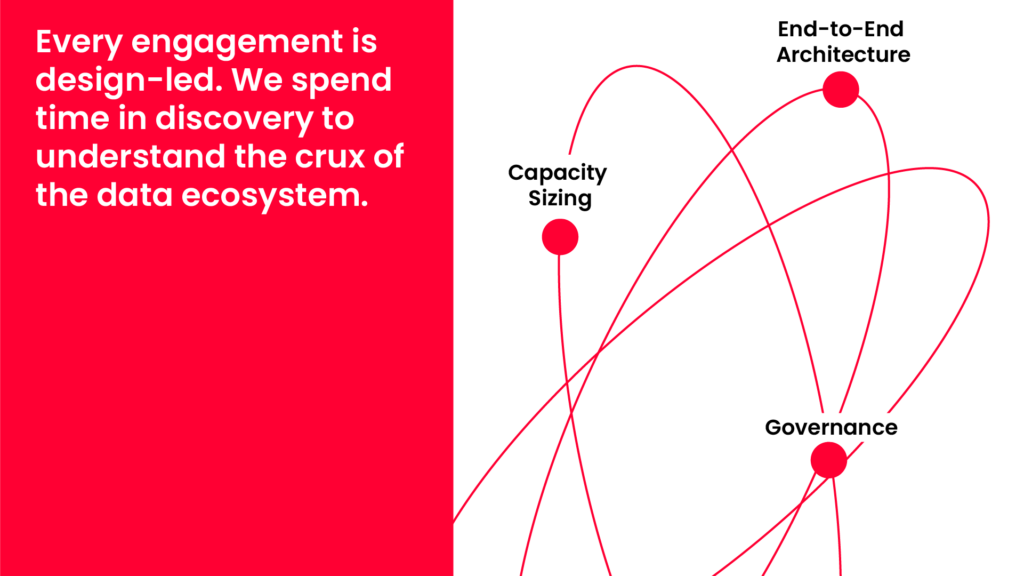
Our MS Fabric Experience in Action

Rebuilding a data platform from the ground up with Microsoft Fabric
Our client is one of the UK’s leading transport organisations. Facing increasing business challenges, it needed to take full control of its data.
Building a Data-Driven Professional Services Firm: A Data Strategy Journey
A leading UK accountancy and advisory firm on an exciting growth journey, expanding both organically and through acquisitions, needed the data capability to scale with it.